
Post
How to Choose the Best Handmade Products That Sell Fast
May
Introduction
Choosing the right product is the most important step in building a successful handmade business. If you pick the wrong product, it will be hard to sell even if it looks beautiful or high quality. Many beginners focus too much on design and ignore demand, which leads to slow sales and wasted effort.
Learning the best handmade products to sell helps you save time, reduce risk, and increase profit. A good product choice makes everything easier: marketing becomes simpler, production is faster, and customers are more likely to buy.
In this guide, we will explore how to choose profitable handmade products, what trends to follow, and how to build a strong foundation for a successful handmade business.
1. Choose Handmade Products with High Demand
The first rule of success in handmade business is choosing products that already have demand. You should not try to create something that no one is looking for unless you already have a strong brand.
Focus on products that people buy regularly or emotionally connect with:
- Handmade jewelry (bracelets, necklaces, earrings)
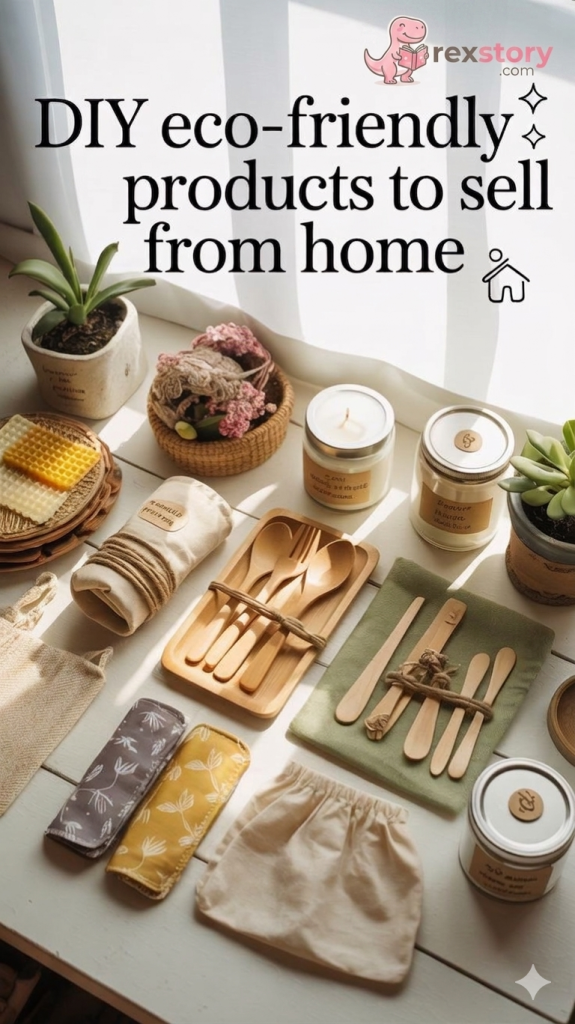
- Scented candles and aromatherapy products
- Phone accessories (cases, charms, straps)
- Home decor items (wall art, mini decorations)
- Personalized gifts (keychains, name tags, custom items)
These products work well because they combine both emotional value and practical use. Customers are more willing to buy handmade items when they feel personal or meaningful.
2. Start with Simple Designs
One of the biggest mistakes beginners make is starting with overly complex designs. Complicated products take more time, more materials, and more skill.
Instead, start with simple but attractive designs. For example:
- Simple bead bracelets instead of luxury jewelry
- Basic scented candles instead of multi-layer decorative candles
- Minimalist phone charms instead of complex accessories
Simple products are easier to produce in bulk, easier to fix if there are mistakes, and easier to scale when demand increases.
3. Check Market Trends Regularly
Trends play a huge role in handmade product success. A product that is trending can sell much faster than a non-trending one.
You should regularly research platforms like:
- TikTok (viral handmade videos and trends)
- Shopee (best-selling items section)
- Etsy (global handmade marketplace)
- Instagram (creative product inspiration)
Pay attention to:
- Color trends (pastel, neutral, neon, etc.)
- Seasonal trends (Christmas, Valentine’s Day, back-to-school)
- Viral product styles (cute, aesthetic, minimal, retro)
By staying updated, you can quickly adapt and create products that match customer demand.
4. Choose Low-Cost Materials
Profit in handmade business depends heavily on material cost. If your materials are too expensive, your profit margin will be low even if you sell at a high price.
Try to choose materials that are:
- Easy to find
- Cheap in bulk
- Durable and long-lasting
- Easy to work with
For example:
- Beads instead of precious stones
- Soy wax instead of premium imported wax
- Acrylic instead of metal for accessories
The goal is to maximize profit while keeping product quality acceptable.
5. Focus on Easy and Repeatable Production
A good handmade product is not only beautiful but also easy to reproduce. If each item takes too much time, you will not be able to scale your business.
Ask yourself:
- Can I make this product quickly?
- Can I produce 10–50 units consistently?
- Can I maintain quality over time?
Products that are easy to repeat allow you to:
- Save time
- Increase output
- Handle larger orders
- Grow your business faster
6. Make Products Customizable
Customization is one of the strongest selling points in handmade business. Customers love products that feel personal and unique.
Examples of customizable products:
- Name bracelets or necklaces
- Personalized keychains
- Custom message candles
- Gift boxes with names or themes
Custom products often sell at higher prices because they have emotional value. People are willing to pay more for something that feels made just for them.
7. Avoid Overly Complex Products at the Beginning
Many beginners try to create advanced handmade items too early. This often leads to frustration and low productivity.
Avoid:
- Highly detailed sculpture work
- Complex mechanical handmade items
- Multi-step products with long production time
Instead, build your skill gradually. Start simple, gain experience, and then move to more advanced products later when your business is stable.
8. Test Before Scaling Production
Never produce large quantities of a product before testing it in the market.
Start small:
- Make 5–20 pieces first
- Post them on social media or marketplaces
- Collect feedback from customers
Then analyze:
- Which designs sell best
- Which colors are most popular
- What price customers are willing to pay
Once you understand demand, you can safely scale production without wasting money.
9. Branding Matters in Handmade Business
Even if your product is simple, strong branding can make it stand out. Branding includes:
- Shop name
- Logo design
- Packaging style
- Product presentation
A well-branded handmade product feels more valuable and professional. For example, simple items packaged nicely in aesthetic wrapping can sell much better than the same item without branding.
10. Pricing Strategy for Handmade Products
Pricing is very important in handmade business. Many beginners underprice their products, which leads to low profit and burnout.
When setting prices, consider:
- Material cost
- Production time
- Packaging cost
- Market competition
- Perceived value
A simple formula:
Price = Material cost + Labor cost + Profit margin
Do not compete only on low price. Instead, focus on value and uniqueness.
11. Marketing Your Handmade Products
Even the best product will not sell without marketing. You need to show your products to the right audience.
Effective marketing channels:
- TikTok short videos
- Instagram reels
- Facebook marketplace
- Etsy or Shopee listings
Content ideas:
- Behind-the-scenes making process
- Packaging videos
- Customer reviews
- Before/after product transformations
Storytelling also helps. People love to see the process of how handmade products are made.
12. Common Mistakes to Avoid
Here are common mistakes beginners make:
- Choosing products with no demand
- Overcomplicating designs
- Ignoring profit calculation
- Not testing before scaling
- Poor packaging and presentation
- Not using social media marketing
Avoiding these mistakes will significantly increase your chance of success.
Conclusion
Choosing the right handmade products is the foundation of building a profitable and sustainable business. Success does not come from making the most complicated or expensive items, but from understanding demand, starting simple, and improving step by step.
Focus on products that are easy to make, low in cost, and high in demand. Test your ideas, learn from feedback, and gradually scale your production. Combine good product selection with strong branding and marketing, and you will have a solid foundation for long-term success in the handmade business.

m